Why False EUR/USD Signals Can Trick Even the Best Traders
You see a clean breakout. Momentum picks up, the candles stretch longer, and everything seems to point to a strong move ahead. But just a few minutes later, the market reverses sharply. You’re left questioning what you saw and whether your strategy still works. False signals in EUR/USD trading can be frustrating, even damaging if you’re not prepared. But understanding their psychology helps reduce the chances of getting caught.
Market Movement Is Not Always Meaningful
One of the biggest reasons traders fall for false signals is the assumption that every sharp move carries intent. In reality, price often moves because of short-term order flow or stop hunts rather than genuine shifts in sentiment. Especially in the highly liquid EUR/USD pair, large players can influence price just enough to trigger retail orders before fading the move entirely.
This creates a pattern of breakouts that fail and pullbacks that continue. In EUR/USD trading, it’s easy to mistake these fakeouts for real momentum, especially when emotions are high and you’re eager for action. Recognizing that not all movement reflects conviction is the first step in protecting your trades.
The Mind Sees What It Wants to See
Another trap lies in confirmation bias. Once you develop a bias toward a certain direction, your brain looks for evidence to support that view. You see a bullish flag, a volume spike, and a retest of support, all signs pointing to a long position. But if that bias was formed prematurely or without enough data, every signal becomes suspiciously convenient.
Traders in EUR/USD trading often build narratives around small price moves. The more convincing the story, the harder it is to detach when the market behaves differently. That emotional attachment can lead to holding onto losing positions even after the evidence changes.
Timeframes Can Create Illusions
A signal on one timeframe might contradict what’s happening on another. You may see a strong breakout on the five-minute chart, but the hourly chart shows price is still stuck in a larger range. Without multi-timeframe confirmation, traders often take trades that are valid in isolation but weak in the bigger picture.
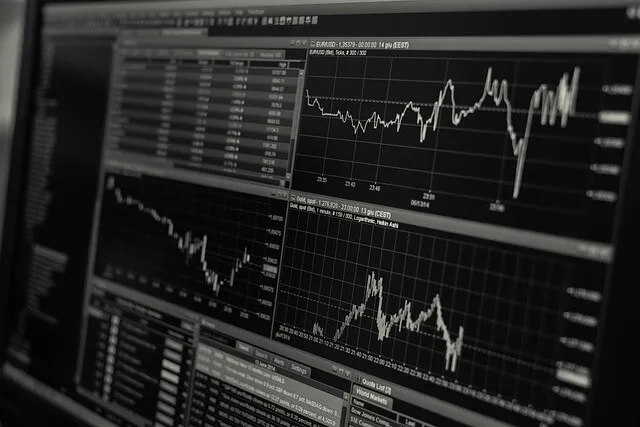
Image Source: Pixabay
This disconnect becomes a breeding ground for false signals. In EUR/USD trading, aligning your setup with broader context reduces the odds of falling into traps created by lower timeframes. It also helps you understand when a breakout is likely to continue or fail.
Volume and Behavior Reveal the Truth
Not all breakouts are equal. A breakout supported by strong volume and clean structure is more reliable than one that happens on low liquidity or in the middle of a news lull. Learning to read the behavior of the market during the signal is more important than the signal itself.
Does price move with confidence? Is it holding above the breakout point? Are sellers or buyers backing off? In EUR/USD trading, these questions help filter noise from substance. Trust builds when your entries are based on more than just chart patterns—they are based on how the market reacts around those patterns.
Detachment Is the Best Filter
False signals are unavoidable. But how you respond to them makes the difference. Traders who remain emotionally detached from each setup are quicker to adjust. They exit losing trades without hesitation and stay open to the next opportunity without regret.
In the long run, no strategy will be right all the time. But if you stop treating every trade as a personal test and start viewing them as probabilities, your results in EUR/USD trading begin to improve. You stop falling for every move that looks promising and start focusing only on those with the structure, confirmation, and context to back it up.

Comments