Mobile vs. Desktop Forex Trading Platforms
Trading no longer requires sitting in front of multiple computer monitors all day. With modern mobile apps, traders can monitor markets, place orders, and manage positions from almost anywhere. That convenience has changed how many people participate in financial markets.
Convenience, however, does not mean every device is equally suited to every task. The best forex trading platforms often provide both desktop and mobile access because each serves a different purpose within the trading process. Understanding those strengths can help traders avoid using the wrong tool at the wrong time.
The choice is less about which platform is better and more about when each one performs best.
Desktop Platforms Offer Better Market Analysis
Large screens create advantages that are difficult to replicate on a mobile device.
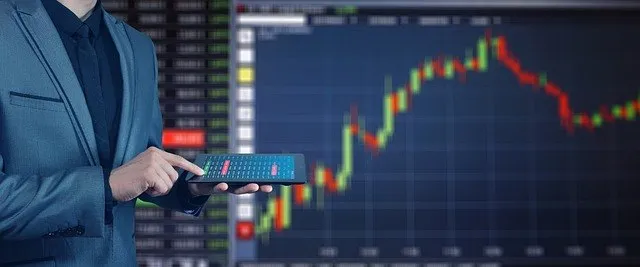
Image Source: Pixabay
Multiple charts, economic calendars, watchlists, and technical indicators can be viewed simultaneously without constantly switching between menus. This broader perspective makes desktop platforms particularly useful when preparing for the trading day or evaluating several markets at once.
Imagine a trader analyzing EUR/USD before a European Central Bank announcement. On a desktop platform, the trader compares multiple timeframes, checks correlated markets, reviews the economic calendar, and adjusts support and resistance levels before deciding whether conditions justify a trade.
Preparation benefits from space.
Mobile Platforms Excel at Position Management
A smartphone cannot replace a complete trading workstation.
It does not need to.
Mobile platforms are particularly effective for monitoring existing positions, adjusting stop-loss orders, checking alerts, and responding to changing market conditions when away from a desk. The ability to stay connected without remaining in front of a computer all day provides valuable flexibility.
That accessibility reduces the need to constantly monitor charts from a single location.
Speed Is Not Always an Advantage
Many traders believe having instant access to markets naturally improves results.
Sometimes it produces the opposite effect.
Because mobile devices make trading so convenient, they can encourage impulsive decisions. Opening positions while distracted, reacting to short-term price movements, or placing trades without reviewing broader market conditions becomes much easier.
One counterintuitive lesson is that traders who use mobile devices primarily to manage existing positions often perform more consistently than those who use them to constantly search for new trades.
Convenience should support discipline, not replace it.
Building a Balanced Workflow
Experienced traders frequently combine desktop and mobile platforms instead of choosing one exclusively.
A practical routine may include:
- Analyzing charts and planning trades on a desktop.
- Setting price alerts before leaving the workstation.
- Monitoring open positions through a mobile device.
- Making major strategy adjustments after returning to a full trading setup.
This approach takes advantage of the strengths of both environments. Complex analysis remains on the platform best suited for detailed work, while routine monitoring becomes more flexible throughout the day.
The workflow becomes more efficient without encouraging unnecessary market activity.
The practical takeaway is straightforward. Rather than asking whether mobile or desktop forex trading platforms are superior, consider how each fits into your trading process. Use desktop software for careful analysis and planning, then rely on mobile access to stay informed and manage positions responsibly when you are away from your workstation.