MetaTrader 4 Is Still the First Platform Most Singapore Traders Open
It is fascinating that a platform launched in 2005 remains the point of entry for new retail traders in Singapore. Newer platforms have emerged with cleaner interfaces, better mobile experiences, and more advanced data visualization tools that have earned real followings. However, after months of studying forex and CFDs, the platform that brokers are most inclined to provide, and the one that the majority of tutorials and YouTube channels in the region focus on, is still MetaTrader 4.
The persistence is not simply a matter of inertia. MAS-regulated brokers have found that offering MT4 reduces friction during onboarding because of the volume of training material built up around it. A new trader who runs into difficulty with chart setup or order execution can find a solution in English, Mandarin, or Tagalog with a basic online search, without needing to contact customer support. That self-service quality has compounding value for brokers managing large numbers of retail accounts and for traders who prefer to resolve issues themselves rather than wait for a response during Asian session hours.
Its architecture suits a style of trading that remains prevalent among Singapore retail participants. Most of what a retail trader actually needs can be handled through expert advisors, built-in chart indicators, and straightforward order management with stop-loss and take-profit levels visible on the chart. All of this is available without learning a complex new system, nor does a trader switching brokers need to relearn tools they already use daily.
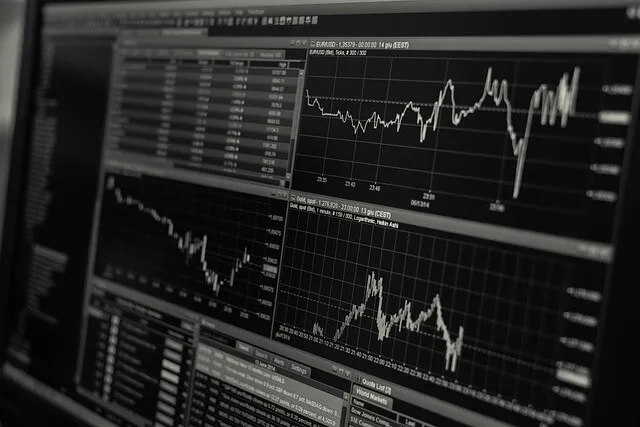
Image Source: Pixabay
That benefit is reinforced by something that is easy to overlook: shared community knowledge. MT4 terminology is common currency across Singapore’s trading Telegram groups, local forums, and weekend meetups. When one trader describes an indicator or shares a screenshot of a position, it is generally safe to assume they are looking at the same interface. That common frame of reference makes peer learning more efficient and reduces the friction that comes with navigating multiple platform ecosystems.
The platform’s limitations are real and widely acknowledged. The charting capabilities are not as flexible as TradingView, the mobile app feels dated alongside more recently designed alternatives, and the back end shows its age in some execution environments. Traders who move beyond the basics often find themselves migrating to MetaTrader 5 for a broader range of asset classes and improved order handling, or to cTrader for its more transparent execution model. Others conduct their analysis on TradingView and place orders through MT4, a workaround that reflects both the platform’s stickiness and its ceiling.
In Singapore’s retail trading environment, MetaTrader 4 is not merely a standard; it is a foundation the community has absorbed over two decades. Traders who outgrow it rarely leave with complaints. The more common sentiment is that MT4 did what it needed to do at the stage it was needed, and that counts for something regardless of where the trading journey goes afterward. It is where the next generation of traders is likely to begin, as the previous generation did, not because better alternatives are absent but because shared infrastructure carries value beyond specification alone.

Comments