What Kenyan First-Timers Get Wrong When Opening a Forex Trading Account
The move to open a forex trading account has a tendency to come in a tide not conducive to planning. It gives a sense of urgency when a friend has a success story, a strong YouTube presentation or a Telegram chat with a bunch of winning trade screenshots, and one has no time to waste on in-depth research. Kenyan first-timers who are entering the market face that psychological pressure alongside a series of practical decisions that will shape the entirety of their early experience, and the mistakes made in those first moves tend to compound before the market has taught them a single lesson about price behavior or risk management.
Many first-entry mistakes begin with broker selection, and the problem rarely lies in choosing the wrong spread or the wrong leverage level. It lies in choosing an unregulated broker because its website looked professional and its bonus offer seemed attractive. The retail trading space in Kenya has attracted platforms operating with little meaningful oversight, and the consequences of depositing with one of them are rarely felt when the first trade is placed but when the first withdrawal is requested. Traders who have been through it describe a particular kind of frustration, compounded by the realization that warning signs were present before they funded the account, had they known what to look for.
Another area where Kenyan beginners consistently underinvest their time is the demo account phase. Social groups where live trading determines reputation, brokers whose business depends on funded accounts, and the trader’s own impatience with a simulated environment that does not feel real enough all push in the same direction: toward live trading with real money before the trader is ready. What is lost in that rush is the invaluable opportunity to develop pattern recognition and experience emotional responses in an environment where there are no real consequences. A trader who has spent three months genuinely treating a demo forex trading account as though it were real, keeping a journal of every decision, is far better prepared to trade live than the trader who spent three weeks clicking through charts without any real plan.
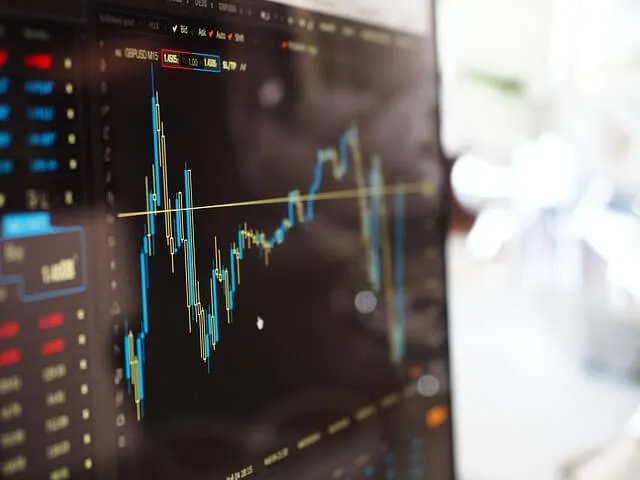
Image Source: Pixabay
The decisions a trader makes when opening a live account reveal a great deal about how well a new trader has absorbed the principles of risk management. Novices who deposit amounts they cannot afford to lose are not simply taking on financial risk. They are creating psychological conditions that guarantee poor decisions under pressure. The moment a losing position feels personally threatening rather than analytically interesting, the ability to execute a trading plan breaks down. Veterans of the Kenyan trading community who mentor beginners press hard on this point, going so far as to ask a prospective trader to name the amount they are considering depositing and then asking directly whether losing that entire amount would affect their ability to pay rent or put food on the table.
Leverage settings at account opening deserve more attention than most novices give them. The default leverage most brokers offer is designed to attract, not to protect, and a first-time trader accepting the maximum leverage on offer without understanding what it means is essentially driving at full speed without knowing where the brakes are. Kenyan traders who have survived early account blowouts and rebuilt their practice consistently cite reducing leverage as one of the most impactful changes they made, with a greater effect on account longevity than any adjustment to entry timing or indicator selection.
Traders who have navigated their first forex trading account successfully tend to share one thing in common. They treated the beginning as a defined learning period rather than an immediate earning opportunity, and that reframing bought them enough time for genuine competence to develop.

Comments