When to Trade and When to Walk Away
The market always moves, but that doesn’t mean you always should. Knowing when to act and when to wait may separate steady traders from those who burn out early. Success rarely comes from doing more. It often comes from knowing when less is better.
Some moments invite action. You’ve done the analysis. You recognise the setup. The price nears a support level you’ve tracked all week. The conditions line up with what you’ve tested before. You don’t hesitate. You take the trade. There’s a reason behind it, not just a feeling.
But most traders don’t start with that kind of patience. Early on, the market feels urgent. Online forex trading platforms stay open around the clock. That constant access creates pressure. You watch price action at midnight. You refresh charts after breakfast. You trade not because the time is right but because you’re there.
Walking away sounds lazy to some. It feels like missing a chance. But it often protects you from chasing. A fast-moving candle can tempt even cautious traders. They see momentum and try to join. But if there’s no plan behind the entry, the trade rarely ends well. It was emotion, not skill, that made the decision.
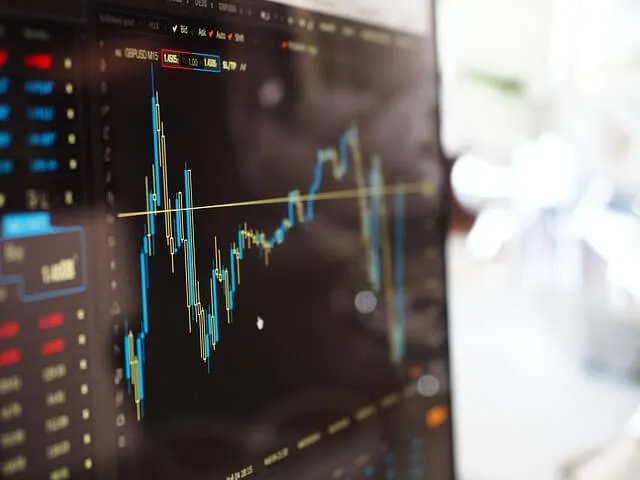
Image Source: Pixabay
There are signs it’s better to pause. One is unclear direction. If the market whips back and forth in tight ranges, setups become unreliable. What looked like a breakout turns out to be noise. In those moments, trading becomes guesswork. Guesswork builds stress, not results.
Another sign is mental fatigue. After hours of watching charts, your focus blurs. The eyes move, but the mind starts missing things. This is when small mistakes grow. You click the wrong lot size. You forget to set a stop loss. These errors don’t happen when you’re sharp. They appear when your brain begs for rest and doesn’t get it.
Some traders build rules around time. They stop trading after two losses. Or they don’t open positions past a certain hour. These limits act like brakes. They slow down emotions. They protect the account from being driven by frustration. Walking away with your capital still intact is a win, even if it doesn’t feel like one.
The hardest time to step back is after a win. A good trade boosts confidence. You feel clear, capable, in control. That feeling tempts you to open another position quickly. But the second trade often doesn’t come from analysis. It comes from emotion. The market didn’t change. You did.
Online forex trading encourages movement. Every flash, every alert, every update pulls your attention. But not all noise leads to insight. Some of it just steals focus. Discipline means choosing silence over movement when the setup isn’t there.
There’s also value in waiting for specific times. Certain hours carry more volume. The overlap between London and New York sessions, for example, brings high activity. Other times feel slow and uneven. A patient trader doesn’t try to force results during dead hours. They wait for the rhythm to return.
Even good strategies need context. What worked yesterday may fail today if the market mood shifts. A sudden news release, a rate decision, or a speech can change the environment. Sometimes, it’s better to step back and watch how the market responds before joining the move.
Online forex trading rewards awareness more than speed. Those who learn to sit still, to walk away at the right time, build a skill few talk about. It’s not flashy. It doesn’t make headlines. But it keeps traders in the game longer than those who chase every move.
You trade best when the mind feels clear, the reason feels solid, and the risk feels known. And when none of those are true, it’s time to do something harder than trading nothing.

Comments