Getting Lost on Purpose With Spacial Audio
Some places invite people to slow down. Not to rush, not to search, but to wander. Museums, galleries, wellness centers these are spaces where movement isn’t forced. People roam, pause, return to the same spot. What guides them isn’t always signs or staff. Often, it’s sound. And in those moments, the right kind of audio turns confusion into curiosity.
Traditional sound systems don’t work well here. They spread music or voice evenly, without shape. The result feels flat. It fills space but doesn’t move with the person. That’s where spacial audio solutions take the lead. They let sound act more like light focused, layered, and able to change direction. Instead of filling a room, it follows the visitor.
In an art exhibit, soft tones might fade in as someone approaches a piece. As they move away, another sound picks up, guiding them to the next part without a word. In a botanical garden, quiet nature sounds rise gently along winding paths, pulling people further in. These experiences don’t need clear instructions. The audio nudges them, gently and consistently.
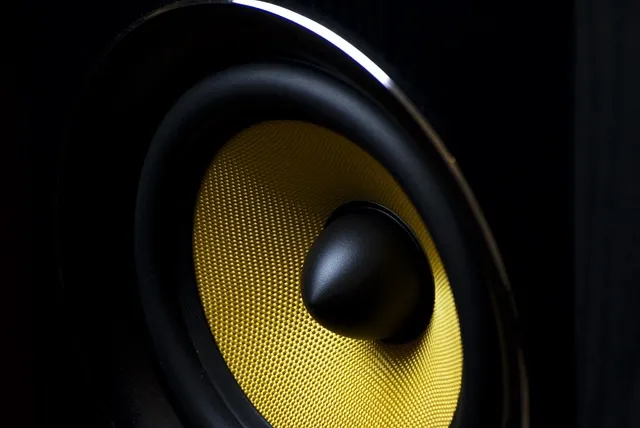
Image Source: Pixabay
Spacial audio solutions support this kind of subtle movement. They can place different sounds in zones just a few feet apart. One corner might carry a whisper. Another, a hum or melody. Visitors feel like they’re discovering something, not being led. That freedom builds a stronger memory than any printed map.
Shops that rely on exploration bookstores, lifestyle brands, concept stores also use this method. Customers follow soft shifts in music from one shelf to another. A louder rhythm might sit near new arrivals. Calmer tones wait in the back. Instead of pointing, the sound draws them in.
The setup matters. Sound doesn’t move cleanly through every space. Furniture, people, walls all change its path. Spacial audio solutions respond to that. They shape sound with purpose. They guide it through open areas, around displays, and into small nooks. It feels natural, never forced.
What makes this approach different is that it welcomes getting lost. Not in the confused sense, but in the way someone might lose track of time. The sound encourages drifting, thinking, and slowing down. It makes visitors forget the outside pace. Inside, there’s a new rhythm. One that matches the space, and often, the brand behind it.
Businesses that embrace this don’t need large systems. They need smart ones. A few well-placed speakers, tuned for the room, can create a full audio path. The sound doesn’t need to be loud. It just needs to feel like it belongs.
Spacial audio solutions also allow changes throughout the day. Morning might carry longer notes. Afternoon might pick up a bit more pace. The system shifts without notice, but visitors feel the difference. They stay longer, wander more, and connect deeper with the experience.
In therapy rooms or wellness centers, this matters even more. Sound here supports calm. It slows breathing, reduces tension, and holds attention. Moving between spaces with different tones helps people transition without needing cues. They feel when it’s time to leave one room and enter another.
These effects don’t announce themselves. Most visitors won’t say, “The sound moved me.” But they’ll remember how the space felt. How time slipped. How they found something unexpected by following nothing more than a quiet rhythm. That memory often lasts longer than any product or display they saw.
Spacial audio solutions make that possible. They don’t push or demand. They open paths. They support spaces where getting lost feels right.
And in a world that often runs too fast, that kind of experience is more than design. It’s a reason to return.

Comments